
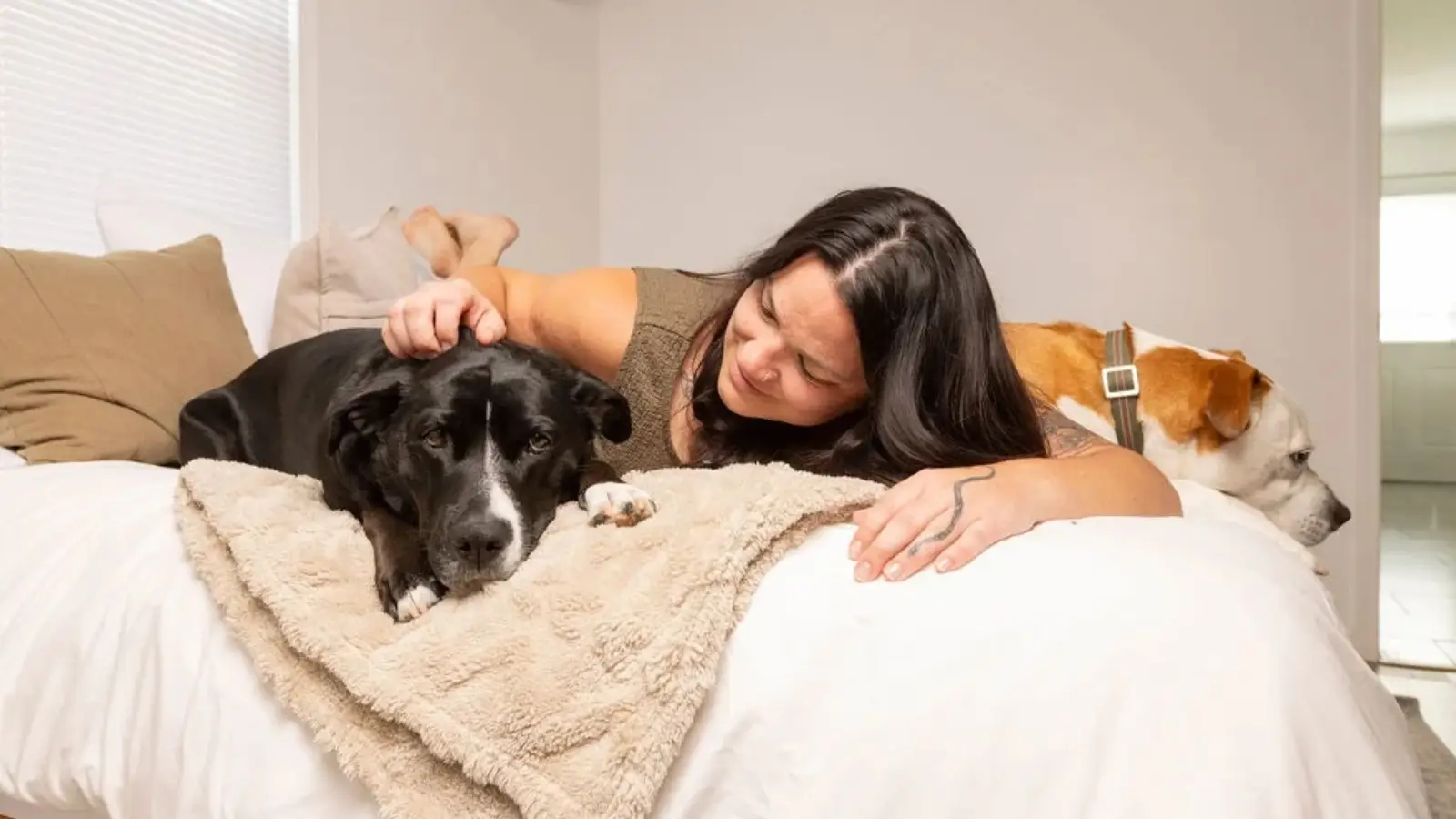
There’s a particular kind of danger that comes with scrolling through pictures of adoptable dogs. One minute, you’re casually looking. Next, you’ve named a dog you’ve never met, mentally cleared a space on your couch, and started imagining the matching holiday pajamas.
We understand. Dogs have a way of making impulsive decisions that feel entirely reasonable. But before you fall in love with a photograph, there’s a more important question to ask: Am I ready for a dog? If I am, what kind of dog would be happy living your particular life?
The American Veterinary Medical Association (AVMA) encourages prospective dog owners to consider their household, lifestyle, schedule, and long-term responsibilities before choosing a pet.
Here are 12 questions worth answering before you adopt.
1. What does your average Tuesday look like?
Forget the Saturday when you have nothing planned and the weather is perfect. Think about Tuesday.
You’re running late. Work is chaotic. Dinner hasn’t been planned. Someone needs something from you, and there’s a pile of laundry that has developed its own ecosystem.
Where does a dog fit into that day?
Dogs need regular meals, bathroom breaks, exercise, companionship, and attention. Their needs don’t disappear when your schedule gets inconvenient. Think about your ordinary routine before imagining your ideal life with a dog.
2. How much time are you realistically home?
Working from home can make dog ownership easier, but it doesn’t automatically mean you’re available all day. Likewise, working outside the home doesn’t mean you can’t provide a wonderful home for a dog.
Instead, focus on how your daily routine aligns with a dog’s specific needs.
- How long will your dog spend alone?
- Can someone provide a midday break when needed?
- What happens when you work late?
Look for a dog whose needs can be accommodated by your routine. Age, health, training, and individual behavior are all contributing factors. Some dogs are comfortable with more independent time than others.
3. What’s your actual energy level?
There’s the person you really are, and there’s the person you imagine becoming.
Perhaps your future self runs five miles every morning, hikes every weekend, and considers waking up at 5 a.m. a delightful opportunity. Meanwhile, your current self considers retrieving the television remote a moderately athletic activity. Both versions of you deserve love. But the dog you adopt will be living with the current you.
Be honest with yourself when considering how much physical activity, play, and mental enrichment you can consistently provide. An energetic dog may be a great partner for someone who enjoys daily outdoor activities. Another dog may prefer a more gentle routine filled with shorter walks, sniffing opportunities, and quality couch time.
Neither lifestyle is inherently better. But compatibility is what counts and is critical for both your dogs happiness and your own.
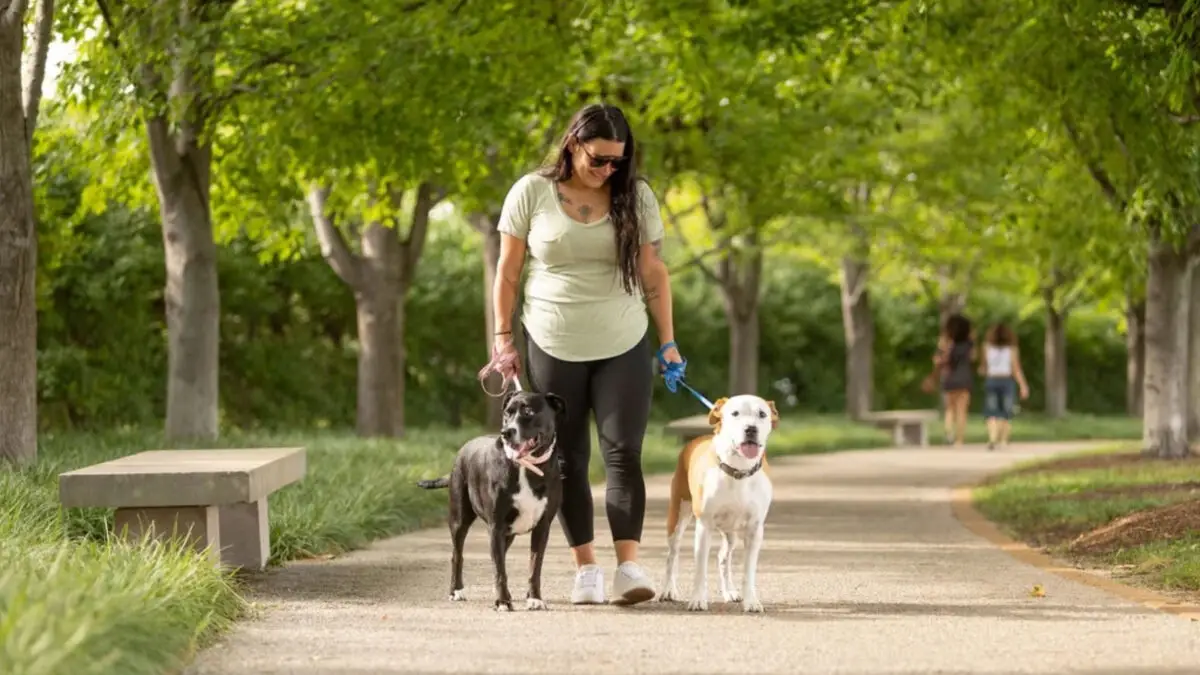
4. Does your home work for a dog?
A sprawling backyard isn’t a universal requirement for responsible dog ownership. People successfully care for dogs in apartments, condos, townhomes, and houses. What matters is whether the environment can meet a particular dog’s needs.
- Consider available indoor space, access to suitable exercise areas, noise, stairs, and how easily you can take the dog outside.
- Check the rules. Your lease, homeowners association, apartment community, or local regulations may impose restrictions involving pets, size, or other characteristics.
Confirm those details before committing to an adoption.
5. Can you afford the ongoing costs?
The adoption fee is only the beginning. Food, routine veterinary visits, parasite prevention, grooming, training, supplies, and replacement toys can become regular expenses. Unexpected medical care, boarding, and other emergencies may add substantial costs.
You don’t need an unlimited budget, but you do need a realistic financial plan that includes monthly care and emergency funds.
If an emergency happened six months after adoption, how would you handle it?
6. How does your whole household feel?
Your dog will live with everyone in the house, including people who aren’t enthusiastic about the idea. Have an honest discussion about expectations.
- Who will handle feeding, walks, appointments, cleaning, and training?
- Is everyone comfortable around dogs?
- Does anyone have allergies or other concerns?
If children are involved, adults should be prepared to take responsibility for the dog’s care and supervise interactions.
A dog shouldn’t become the responsibility of the family member who lost the argument over taking it outside in January.
7. Do you already have other pets?
Introducing a new dog into a home with existing animals calls for thoughtful planning. Your current pet may love having a companion. They may also prefer the household exactly as it is.
Ask the rescue or shelter what is known about the dog’s experiences with other animals. Find out whether supervised introductions or meet-and-greets are available. Remember that behavior can vary by environment, and no introduction can guarantee how two animals will interact once they live together.
Try to be thoughtful of both the prospective dog and the animals already depending on you.
8. Are you ready for training and an adjustment period?
Even a wonderful dog needs time to learn the routines of a new home.
There might be accidents. There might be barking. Your favorite armchair may receive the kind of attention you’d prefer it didn’t. A newly adopted dog may also behave differently while adjusting to unfamiliar surroundings. Patience, consistent routines, and reward-based training can help you build a relationship.
Ask yourself if you’re prepared to work through normal challenges and seek qualified assistance when needed.
9. Would a puppy, adult, or senior dog fit you best?
Puppies are adorable. They’re also small, energetic creatures with very little understanding of your schedule, furniture, or preferred sleeping hours. They typically need substantial time for housetraining, supervision, socialization, and learning basic skills.
Adult dogs may have established habits, and shelters or foster caregivers may be able to share useful information about their personalities.
Senior dogs can be wonderful companions, though their individual health and care needs are very important.
Age alone won’t tell you whether a dog is the right fit. But it can help you understand some of the responsibilities ahead.

10. What happens if life changes?
Life changes, jobs shift, people move, and routines evolve. Before adopting, consider your options if your routine changes:
- Who could help care for your dog during an emergency?
- What arrangements could you make during travel?
- How would you approach a move to a new home?
Having a backup plan doesn’t mean expecting the worst. It means recognizing that the dog you bring home today will depend on you through more than one chapter of your life.
11. What qualities matter to you, and where can you flex?
You may have a particular picture in mind. Maybe you’ve always wanted a big dog. Perhaps you love floppy ears, spotted coats, or dogs that look like someone assembled them using spare parts from three different breeds.
Preferences are fine. We all have them. But think beyond appearance. Would you prefer:
- An affectionate dog who likes close contact?
- A more independent companion?
- A social butterfly who enjoys meeting new people?
- A dog who comfortably participates in your favorite activities?
Which characteristics are essential to your household, and which are simply nice to have?
A dog can be beautiful, lovable, and absolutely wonderful … but still a poor match for your circumstances.
12. Are you ready for reality over expectation?
This may be the most important question. Sometimes the right dog looks different from the one you expected to adopt.
Picture starting your search dreaming of a high-energy running buddy, only to realize your cozy routine aligns much better with a gentle, easygoing adult dog. Or maybe you had a specific breed in mind, but you fall head over heels for a dog who looks completely different than what you envisioned, because their personality clicks with yours. Staying open-minded unlocks wonderful possibilities you might never have imagined.
The goal is finding a dog whose personality and needs match your everyday life, while ensuring your home offers everything they need to thrive.
Ready to start looking? Begin with your lifestyle.
At Pawsibly Yours, we believe finding a rescue dog should begin with understanding the person who wants to adopt. That’s why our dog adoption app begins with a lifestyle and personality questionnaire.
Pawsibly Yours considers the details you share about your home, routine, and experience to help connect you with compatible rescue dogs, rather than relying on looks or breed alone. Because that adorable face might catch your attention, but everyday compatibility deserves a place in the conversation.
When you’re asking yourself whether you’re ready for a dog, think about the everyday life you’ll share, not only the excitement of adoption day. Ready to meet your match?
Download Pawsibly Yours, complete the lifestyle questionnaire, and start exploring adoptable rescue dogs.
Your future best friend might not look exactly how you imagined. That could be the best part!